Three Digital Health trends on CES 2026
Three Digital Health trends on CES 2026
At CES 2026, the world's largest technology trade show, digital health was in the spotlight this year. The exhibition floor was larger than in previous years. Health technology received a great deal of attention, with a focus on prevention and long-term well-being, among other things. New gadgets and innovations promise to help us prevent rather than cure. Below, we highlight three notable digital health trends from CES 2026 that are taking preventive healthcare to the next level.

Main section
Quick facts
/
CES is the biggest tech event
/
Digital Health received a lot of exposure
1) Home monitoring and rapid self-diagnosis
Why wait until you visit a doctor to check your health? More and more smart devices allow you to measure and monitor important things at home. For example, there are advanced scales that track various biomarkers: from heart activity and arterial stiffness to metabolic health. From now on, a quick step on the scale can warn you of high blood pressure or heart problems, for example.
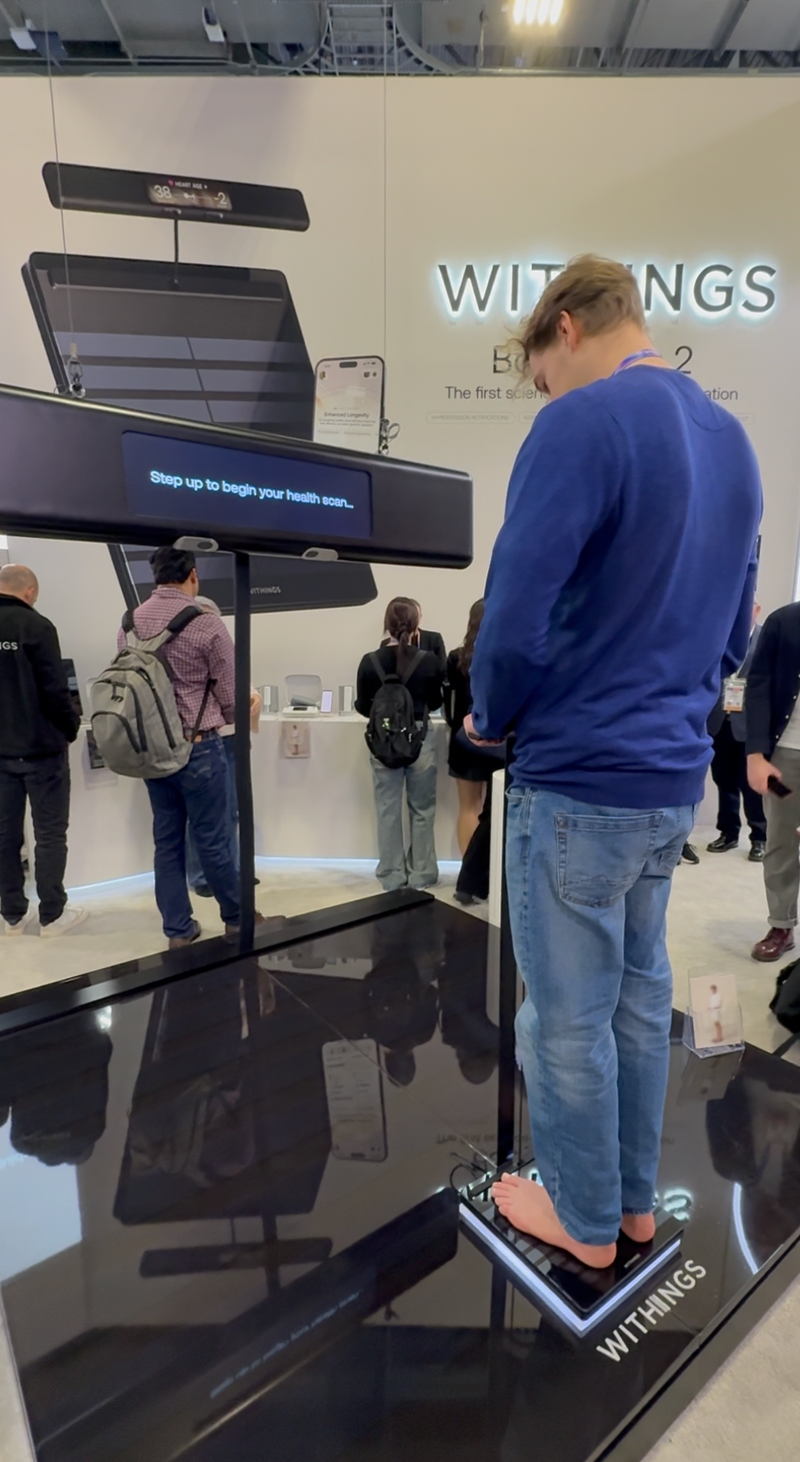
With the Withings Body Scan 2, you get a scan in 90 seconds with 60+ biomarkers related to heart, metabolic, and body composition data. Unfortunately, the email with my results was missing a link to the actual results.
On the other hand, smart mirrors are also appearing that can read a surprising amount from a short selfie video of your face. Such a mirror analyzes subtle blood flow patterns in your face using AI and, within half a minute, provides an assessment of your heart health, metabolism, and biological age. You see, as it were, a prediction of your long-term health in the mirror, including explanations and personal recommendations.
Not only general fitness, but also niche areas are benefiting from this trend. Tackling food allergies can now also be done high-tech: Allergen Alert introduced a portable mini-laboratory at CES that tests a small bite of your meal for allergens or gluten. You get results within minutes, without needing any technical knowledge. These types of pocket-sized tests increase confidence that you can eat safely outside the home, as they help prevent the risk of allergic reactions.
In short, the check-up is coming to the living room. From smart scales to toilet and kitchen gadgets, measuring health is becoming part of our daily routines. Such accessible self-measurements help detect problems earlier and make prevention something you can do yourself at home, without having to go to the doctor or the lab first.
Bottom section
2) Artificial Intelligence as a health coach
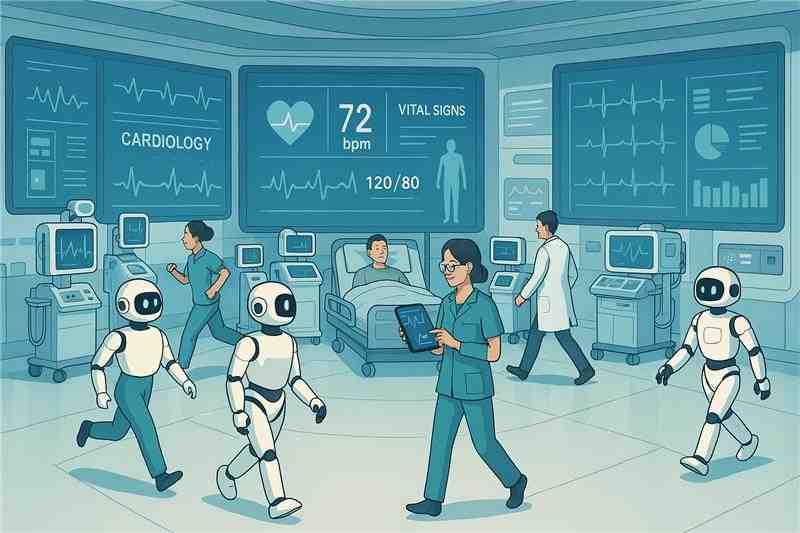
A second major trend is AI as a personal health coach. AI is no longer a gimmick, but is becoming the silent engine behind many health gadgets. Smart algorithms process the stream of data from sensors and transform it into useful insights. Many products link their measuring equipment to cloud AI to automatically provide you with personalized coaching or flag red flags. In other words, your wearable or app can warn you before you even realize that something is wrong and offer tailored advice.
Companies are now using AI in all kinds of areas. For example, there are algorithms that scan your skin for suspicious spots, analyze your diet via a photo of your plate, or even simulate a conversation in a therapy booth. All this is done to make health more accessible and personalized. Above all, AI helps to predict trends and risks. The digital health revolution shows that AI and data analysis can be used to assess your future health risks, enabling tailored interventions before those risks become reality. Think of smart symptom checkers that take you from a vague feeling that “something is wrong” to concrete personal advice in a matter of minutes.
A striking example at CES 2026 came from Samsung. They previewed a new Brain Health feature for Galaxy watches and rings, powered by AI. The system analyzes a person's walking pattern, voice, and sleep data to recognize the earliest signs of cognitive decline. For example, if you notice that someone's gait is changing imperceptibly or that their voice is trembling, this could be a sign of early dementia. Such an AI feature is not intended as a diagnosis but as an early warning: it alerts users and their families so that they can seek professional help more quickly. In fact, the AI acts as a vigilant health coach who watches over you in the background.
Although AI technology is still growing rapidly (the reality is that “AI is not quite there yet” for perfect predictions), the promise is clear. We are evolving towards a healthcare model in which everyone has a personal digital coach who monitors opportunities for improving your health 24/7, from physical fitness to mental well-being.
3) portable continuity: monitoring anytime, anywhere
The third trend builds on this: wearable technology for continuous health monitoring. Whereas we used to be happy with a pedometer, we now have bracelets, rings, and sensors that monitor all kinds of bodily functions day and night. Major brands and newcomers are expanding their wearables from simple counting to continuous measurement: heart rate variability, breathing, sleep quality, you name it. More importantly, they check whether your values deviate from your personal norm and can sound the alarm in case of unexpected changes. This turns your smartwatch into a watchdog that can detect the difference between “healthy for you” and “something is wrong.”
This development positions wearables as true remote monitoring tools in healthcare. After all, not every patient can visit the doctor continuously, but wearable sensors figuratively bring the doctor with you. Wearables, home measuring devices, and telehealth together form the backbone of a new form of remote healthcare. They provide us with constant, proactive data, allowing us to take more responsibility ourselves and intervene more quickly when necessary.
The environment around us is also becoming smart. At CES, Samsung demonstrated how your home can serve as a “care companion”: sensors and cameras in the home, controlled by AI, monitor the safety and health of residents. Think of detecting falls in the elderly or measuring the air quality in the home for an optimal night's sleep. These types of smart homes can help elderly people live independently at home for longer, while family or caregivers keep an eye on them remotely.
The best thing about this continuous monitoring is that it gives us insight into long-term trends. It's no longer just about achieving your daily goals, but about slowly recognizing patterns and making adjustments for better health in the long run. We are seeing a shift from mere fitness tracking to lifestyle tracking for longevity. Instead of just counting steps, we can now conduct small experiments with our lifestyle and track the effect over months. Optimistically, this helps to prevent or tackle common conditions such as diabetes, hypertension, or high cholesterol in a timely manner. Prevention is no longer a vague ideal, but something tangible: thanks to wearables and the like, we can stay ahead of health problems by intervening before they pile up.
From CES Las Vegas to Bruges: Our Digital Health Lab
All these trends clearly show that prevention and well-being are central to the latest generation of health innovations. Technology is becoming increasingly personal and practical, with the aim of detecting problems earlier, reducing stress in everyday life, and helping people make better health choices, in a way that fits seamlessly into our lives. This is what we want to focus on with the Howest Digital Health Lab.
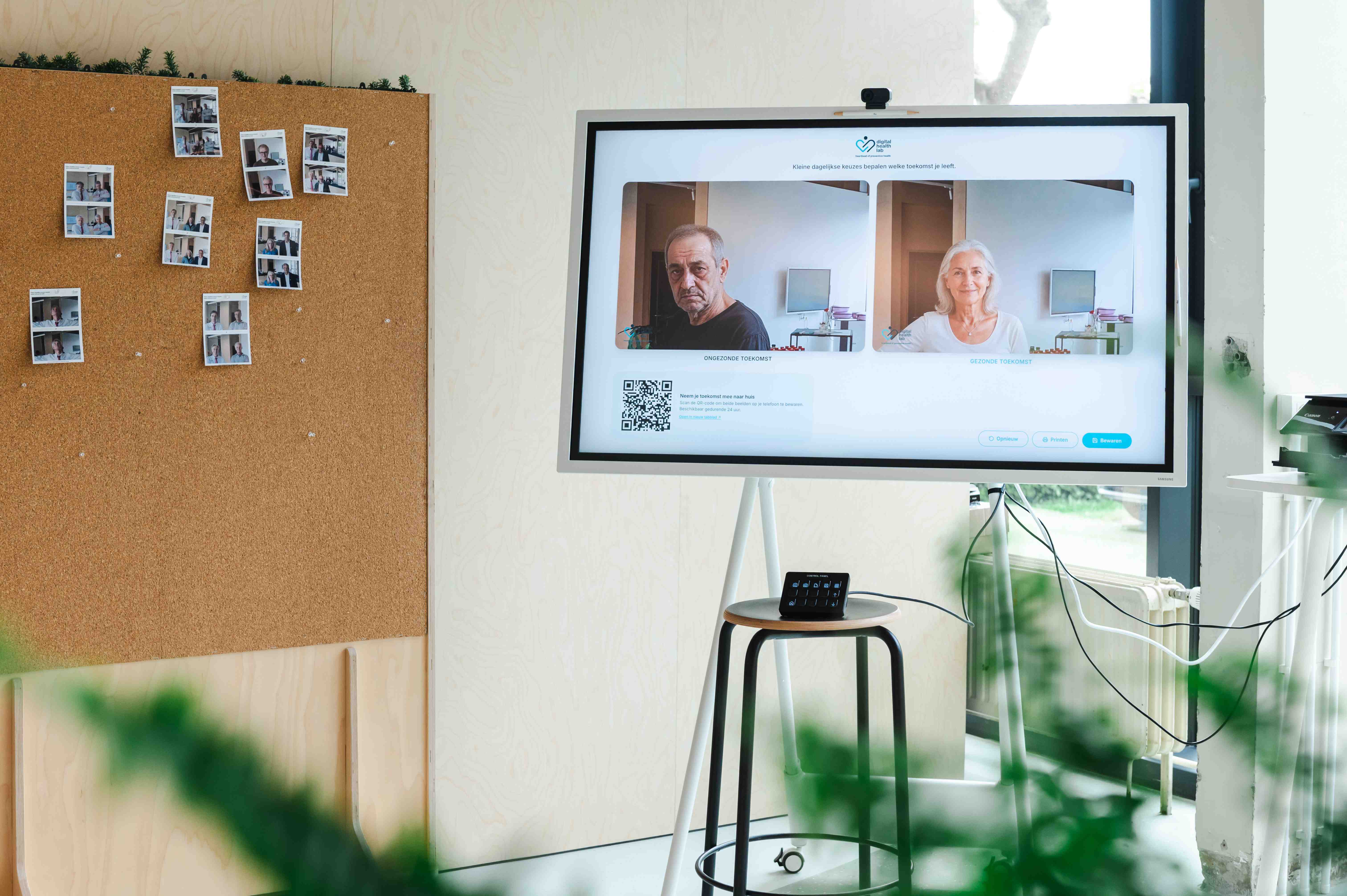
On May 7, we will officially open the Howest Digital Health Lab. The Digital Health Lab is a new expertise hub where education, research, services, and entrepreneurship come together to connect, inspire, and facilitate digital solutions for future-proof healthcare, with a strong focus on prevention. Save the date: May 7, 2026, and we hope to see you then in our Digital Health Lab!
Contributors
Authors
/
Cesar De Greve, Creatieve Technoloog
Want to know more about our team?
Visit the team page
Last updated on: 4/7/2026
/